News Detail
Hashi Smart Latest Updates
2026-07-09 · 0 views
If you have been scrolling through pet product trends lately, you have probably noticed something. The metal cat fountain is everywhere. It is showing up in bestseller lists, vet recommendation roundups, and TikTok cat videos with millions of views. And for good reason.
For anyone selling pet products online, this is a category worth paying attention to. Let us walk through what a metal cat fountain actually is, why buyers love it, and what features make the difference between a five-star review and a return.
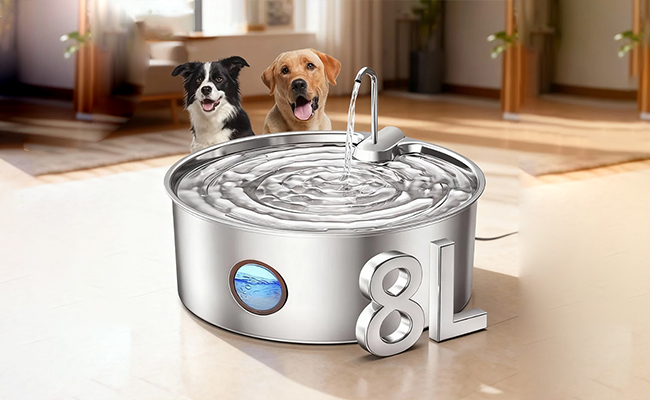
At its core, it is a cat water fountain made primarily from stainless steel or other food-grade metals. Instead of plastic or ceramic, the basin, lid, or entire body is metal. A small electric or rechargeable pump circulates water through a filter, keeping it fresh, aerated, and moving.
Why does the material matter so much? Because cats are picky. And their owners are even pickier. Plastic scratches easily and can harbor bacteria in those tiny grooves. Ceramic looks nice but chips over time. Metal solves both problems. It is durable, non-porous, easy to clean, and does not absorb odors.
That is why searches for stainless steel cat fountain keep climbing year after year.
There are a few reasons this material has become the gold standard for a lot of cat households.
Stainless steel does not develop micro-scratches the way plastic does. That means nowhere for bacteria to hide and grow. For cats with sensitive skin or chin acne, vets frequently recommend switching to a metal fountain. That vet endorsement alone drives a ton of purchase decisions.
Drop a ceramic fountain and you are sweeping up shards. Knock a plastic one off the counter and you might crack the base. A metal pet water fountain can take a beating. It handles daily use, dishwasher cycles, and the occasional cat paw swipe without showing wear.
Metal has this naturally sleek, modern look that blends into almost any kitchen or living room. It does not stain easily, does not yellow over time, and does not hold onto funky smells the way plastic eventually does.
Here is where your listing can make or break a sale. Based on what drives positive reviews across the category, these are the features buyers care about most.
A metal cat water fountain without a good filter is just a fancy bowl. Buyers expect activated carbon at minimum. The best-performing products combine carbon with a mesh pre-filter for hair and a foam layer for sediment. Spell out the filtration layers in your bullet points. It builds trust instantly.
Nobody wants a fountain that hums like a mini fridge on their nightstand. A pump rated under 30 dB is the sweet spot. If your fountain hits that mark, say so loudly in your listing. If it does not, fix the pump before you launch.
Cats have different personalities. Some like a gentle bubble. Others want a stream they can see and hear. Offering two or three flow modes is a relatively cheap upgrade that massively broadens your appeal. Motion-activated flow is even better and looks premium.
A rechargeable option gives buyers placement flexibility. A plug-in option means they never think about charging. Honestly, the best approach is offering both if your product design allows it. If not, just be clear in your listing about which one you offer. Misunderstandings here lead directly to returns.
If a buyer cannot take it apart in under a minute, they will not clean it as often as they should. Design your fountain so the pump, filter housing, and basin separate intuitively. Bonus points if all parts are dishwasher safe.
Here is a quick comparison buyers appreciate and that is also easy for you to include in A+ content or infographics.
Metal (Stainless Steel)
Ceramic
BPA-Free Plastic
Understanding where your metal cat fountain sits in this comparison helps you write better copy and target the right customer segment.
Is stainless steel safe for cats to drink from every day?
Absolutely. Food-grade stainless steel is one of the safest materials for pet dishes and fountains. It does not leach chemicals, does not react with water, and is widely recommended by veterinarians.
How often should I replace the filter in a metal cat fountain?
Every two to four weeks is the general guideline. Homes with multiple cats or heavy shedders should lean toward the two-week end. If the water looks cloudy, smells off, or your cat avoids the fountain, it is time for a fresh filter.
Can I put the whole fountain in the dishwasher?
The metal parts usually yes. Always check whether the pump and filter housing are dishwasher safe before tossing everything in. Most manufacturers design the basin and lid to be dishwasher friendly but prefer the pump to be hand washed.
My cat has chin acne. Will a metal fountain help?
It is one of the first things vets recommend. Plastic bowls and fountains collect bacteria in surface scratches that can worsen feline chin acne. Switching to stainless steel often helps clear it up alongside other treatments.
Are metal fountains heavier than plastic ones? Yes, slightly. But that extra weight is actually an advantage. It makes the fountain harder to tip over, which is a common complaint with lightweight plastic models, especially in multi-cat households.
The metal cat fountain category is growing for all the right reasons. Buyers want something hygienic, durable, and easy to maintain. Cats want flowing water that appeals to their instincts. When those two needs meet in one product, you get a category with strong demand and repeat purchases on filters and replacement parts.
For pet product sellers, the message is simple. If you carry a stainless steel cat fountain, make sure your listing tells the full story. Highlight the material benefits, spell out the filtration, and show buyers exactly why metal beats the alternatives. The traffic is already searching. You just need to be the answer they find.
Contact us for wholesale pricing and customization options

 English
  Español
 Русский
 العربية