News Detail
Hashi Smart Latest Updates
2026-07-20 · 0 views
Most cat parents have seen it happen. You fill up a clean water bowl, set it down, and your cat walks right past it to drink from the bathroom faucet, a dripping tap, or even a puddle on the floor. It is not picky behavior. It is instinct.
Cats are hardwired to prefer moving water. In the wild, still water is risky water. Running streams are fresher, safer, and easier to hear from a distance. Your indoor cat still carries that programming even if they have never seen a stream in their life.
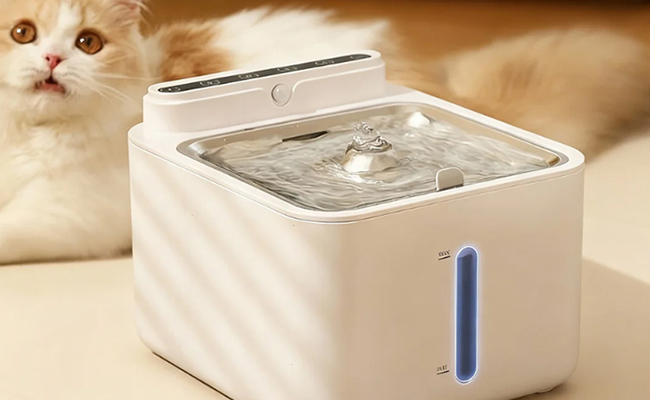
That is the core reason a cat water fountain is one of the best purchases you can make for a household pet. It works with your cat's nature instead of against it.
Here is something that surprises a lot of people. Cats evolved in desert environments. Their ancestors got most of their moisture from prey animals, not from drinking water directly. A domestic cat eating dry kibble does not have that option.
The result is that a huge number of house cats are mildly dehydrated without their owners ever realizing it. Cats are notorious for not drinking enough on their own. A traditional water bowl just does not motivate them.
Chronic low-grade dehydration leads to real health problems over time. Kidney disease is one of the leading causes of death in older cats. Urinary tract infections and bladder stones cause pain and expensive vet bills. Both conditions are significantly worsened by inadequate water intake.
A cat drinking fountain does not just look nice on the kitchen floor. It directly addresses this health risk by making water more appealing.
Cats are drawn to moving water for several reasons and a fountain checks every box.
They can hear it. The gentle sound of trickling or flowing water acts like a beacon. A cat walking through the house will notice the sound and investigate. A silent water bowl does not have that same pull.
They can see it. Cats have excellent motion detection. Ripples, streams, and bubbles catch their eye in a way that a still surface never will. Movement triggers curiosity and curiosity leads to a drink.
It stays fresh. Circulating water picks up oxygen and passes through a filter with every cycle. It tastes cleaner, smells better, and stays appealing for longer compared to a bowl of water that sits out growing stale for hours.
It feels safer. This is the deep instinct piece. Flowing water signals safety to a cat's brain. Stagnant water signals potential danger. Your cat does not think about it consciously but their behavior reflects it clearly.
The combined effect is simple. Cats drink more from a fountain than from a bowl. More drinking means better hydration. Better hydration means fewer health problems down the road.
Not every fountain delivers the same experience. Here is what matters most when choosing one.
Filtration quality is the foundation. A multi-layer filter with activated carbon removes odors, chlorine, and impurities. Mesh pre-filters catch hair and debris before they reach the pump. The cleaner the water stays, the more your cat will drink.
Material choice affects both hygiene and durability. Stainless steel is the most recommended by vets. It does not scratch, does not harbor bacteria, and cleans up easily. Ceramic is a strong alternative that looks beautiful and stays naturally cool. BPA free plastic works for budget options but needs more frequent replacement.
Noise level matters to everyone in the house. A good fountain runs nearly silent. Anything that hums, gurgles, or vibrates will annoy you at night and might scare sensitive cats away from it.
Capacity should match your household. A single cat is fine with 1.5 to 2 liters. Multi-cat homes need 2.5 to 3 liters or more so refilling does not become a daily chore.
Ease of cleaning determines whether the fountain stays hygienic long term. If disassembly takes more than two minutes, it will not get cleaned as often as it should. Snap-apart designs with dishwasher safe components make life much easier.
Here is a quick reference.
| Filtration | Multi-layer carbon and mesh |
| Material | Stainless steel or ceramic preferred |
| Noise | Under 30 dB for near silent operation |
| Capacity | 1.5L for one cat, 2.5L+ for multiple cats |
| Cleaning | Snap-apart design, dishwasher safe parts |
Better water intake is the headline benefit but a cat water fountain delivers more than that.
Less begging at the faucet. If your cat has a habit of stalking the bathroom sink or jumping on the kitchen counter for dripping tap water, a fountain gives them their own version of that experience. It redirects the behavior in a way that works for both of you.
Cleaner water overall. A still bowl collects dust, cat hair, and food particles within hours. A filtered fountain removes all of that continuously. You do not have to change the water as often to keep it clean.
Lower vet costs over time. Better hydration means fewer urinary tract issues, reduced risk of kidney stones, and improved kidney function as your cat ages. The upfront cost of a fountain is a fraction of a single vet visit for a urinary blockage.
Peace of mind when you travel. A fountain with a full tank gives you an extra day or two of reliable water supply if you need to be away overnight. It is not a substitute for a pet sitter but it is a helpful buffer.
Is a cat water fountain really better than a regular water bowl?
Yes for most cats. The moving water appeals to natural instincts and encourages more frequent drinking. Studies and vet observations consistently show cats drink more from fountains than from still bowls.
How often do I need to clean a cat water fountain?
Rinse the basin daily if possible. Do a full disassembly clean once a week with mild soap and warm water. A monthly vinegar soak helps remove mineral buildup from internal parts.
How often should I replace the filter?
Every two to four weeks depending on how many cats use the fountain and how much fur is in your household. If the water starts looking cloudy or smelling off, replace it sooner.
Are cat water fountains safe to leave on overnight?
Absolutely. Modern fountains use low voltage pumps designed for continuous operation. Most models include auto-shutoff protection when the water level drops too low.
Will my cat actually use a fountain?
Most cats start using one within a few days. Leave the old water bowl next to the new fountain for the first week so your cat has options. Curiosity usually wins pretty quickly.
Can small dogs use a cat water fountain?
Yes. These fountains work for any small to medium pet. The filtration and circulation benefits apply to dogs just as they do to cats.
We are a professional pet product factory specializing in cat water fountains, cat drinking dispensers, and pet hydration accessories. Our product range includes stainless steel fountains, ceramic fountains, and BPA free plastic options designed to meet the needs of every market segment.
We provide full ODM and OEM services. From custom product design and material selection to mold development, logo printing, packaging, and quality control — our team supports you from concept to delivery. We work with pet product sellers, distributors, and brand owners around the world.
Samples are ready to ship so you can evaluate quality before placing any order.
Looking to add a cat water fountain to your product lineup? Send us your specifications, target price, or even a rough idea of what you need. Our team will respond within 24 hours with a detailed proposal tailored to your market. Let us build something that keeps cats hydrated and your customers coming back.
Contact us for wholesale pricing and customization options

 English
  Español
 Русский
 العربية